

Last Updated on November 26, 2025 by Michael Ross
Unlocking the World of Montessori Sensory Play for Toddlers
Engaging in Montessori sensory play is an essential part of early childhood development, providing toddlers with hands-on experiences that foster growth and learning. This article explores the significance of sensory play ideas for toddlers, offering creative DIY activities that can be easily executed at home. From enhancing fine motor skills to encouraging cognitive development, these Montessori activities at home create a rich environment for toddler sensory exploration.
Have you ever watched your toddler completely engrossed in a simple activity like pouring rice from one container to another? Such moments are more than mere play; they are crucial milestones in their development. Montessori sensory play enables toddlers to engage with their environment actively, enhancing their learning experience. This method taps into the natural curiosity of children, allowing them to explore various textures, sounds, and colors that surround them. Research indicates that sensory experiences are vital for brain development in the early years, making these activities instrumental in fostering cognitive, emotional, and social skills. In this article, we will delve into the importance of sensory play ideas for toddlers at home, and share engaging DIY activities that align with the Montessori philosophy, promoting meaningful toddler sensory exploration.
Engaging the Senses: The Role of Sensory Play in Toddler Development
Montessori sensory play is pivotal for toddlers as it encourages exploration and experimentation through sensory experiences. Engaging different senses—sight, sound, touch, taste, and smell—helps in developing neural connections in the brain. When toddlers engage in sensory activities, they learn to use their senses for gathering information, which is essential for their cognitive and physical development. A 2023 study found that children involved in regular sensory play exhibit improved problem-solving skills and creativity. For example, activities like playing with water, sand, or clay can significantly enhance fine motor skills. These materials allow toddlers to squeeze, mold, and manipulate, fostering hand strength and coordination. Furthermore, sensory play can also be a calming activity for children who may feel overwhelmed. A safe space where they can explore at their own pace can help them manage their emotions better.
Additionally, the social aspect of sensory play cannot be overlooked. When toddlers engage in group play, they learn essential social skills like sharing, taking turns, and communicating their needs. Playing with peers while engaging in sensory activities fosters collaboration and imaginative play. An insightful case study revealed that children who participated in group sensory activities showed greater empathy and teamwork skills than those who played alone. Parents can incorporate Montessori activities at home that promote these interactions. For instance, setting up a sensory table filled with various textures—such as shredded paper, fabric scraps, and pom-poms—encourages collaborative play. These experiences are not just about fun; they are foundational for developing social competencies that will serve children well throughout their lives. Through sensory play, toddlers embark on a journey of exploration that shapes their understanding of the world and establishes the groundwork for lifelong learning. To learn more about the impact of sensory activities on early childhood education, visit early learning.
Creative DIY Materials for Montessori-Inspired Sensory Activities at Home
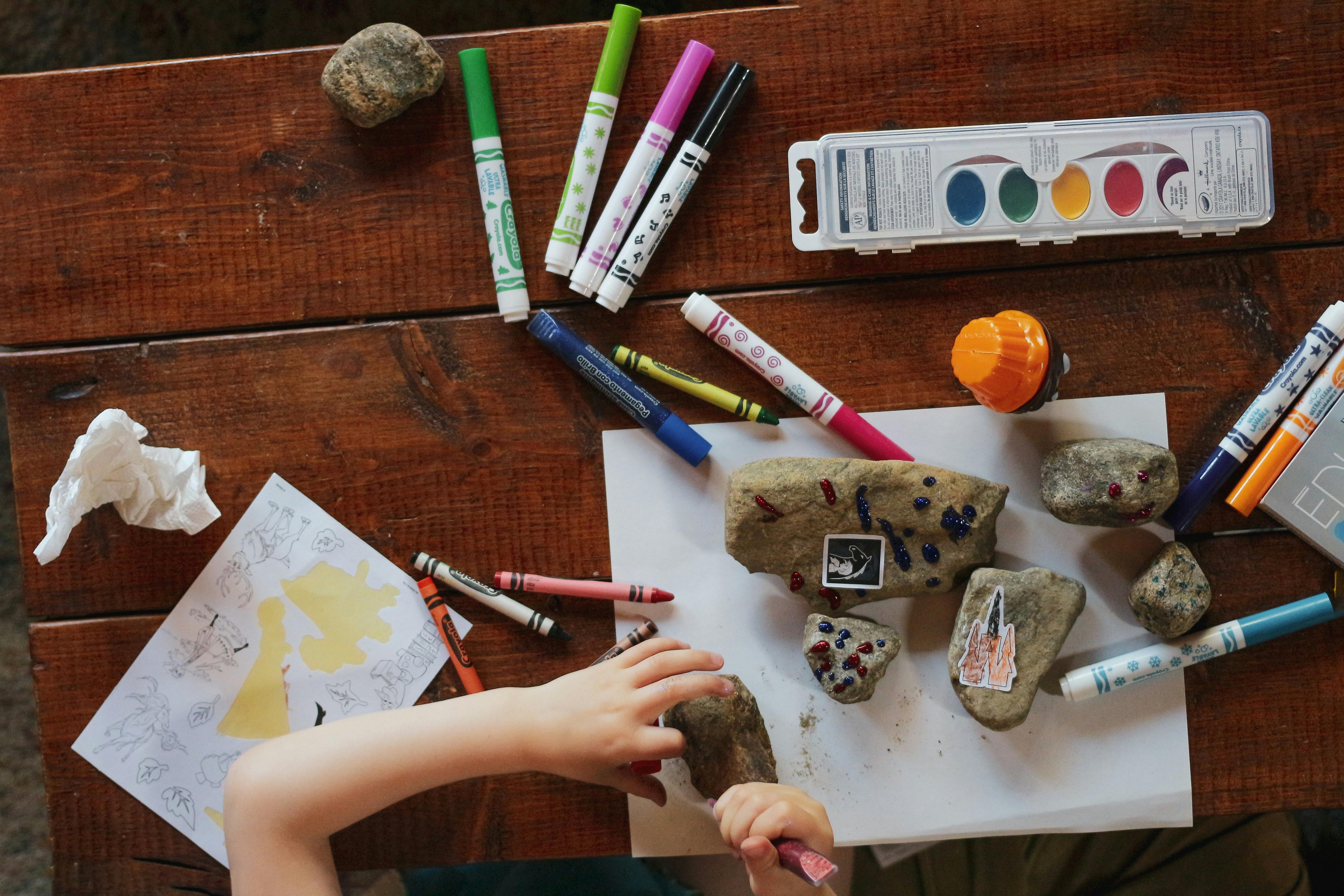
When it comes to DIY sensory play for toddlers, the possibilities are endless. Parents can easily create engaging and educational activities using everyday household items. For instance, a simple and effective sensory bin can be made with uncooked rice or dried beans. Adding cups, funnels, and small toys encourages toddlers to explore, measure, and pour, which are not only fun but also enhance their cognitive skills. Research has shown that tactile play stimulates the brain and promotes fine motor development, which is crucial for tasks like writing later on. Another great idea is to create a nature-themed sensory bin. Parents can introduce natural elements such as leaves, pinecones, and stones, allowing toddlers to connect with nature while engaging their senses.
Another exciting DIY activity involves creating homemade playdough. A simple recipe using flour, water, and salt can result in a soft, malleable substance that children can shape and mold. Playdough encourages creativity while strengthening hand muscles, vital for later writing skills. Adding scents like vanilla or cinnamon to the dough can also enhance the sensory experience, making it more engaging. A 2024 study demonstrated that playdough activities significantly enhance spatial awareness and creativity in preschool-aged children. Parents can encourage toddlers to create their own unique shapes or even characters, fostering imaginative play.
development.
In conclusion, Montessori-inspired sensory play ideas for toddlers serve as powerful tools for fostering holistic development. By incorporating sensory activities into daily routines, parents can create nurturing environments that allow their children to thrive. Whether through DIY sensory bins, homemade playdough, or nature-based activities, the focus on sensory exploration not only captivates toddlers but also lays the groundwork for critical skills they will carry into their future.


